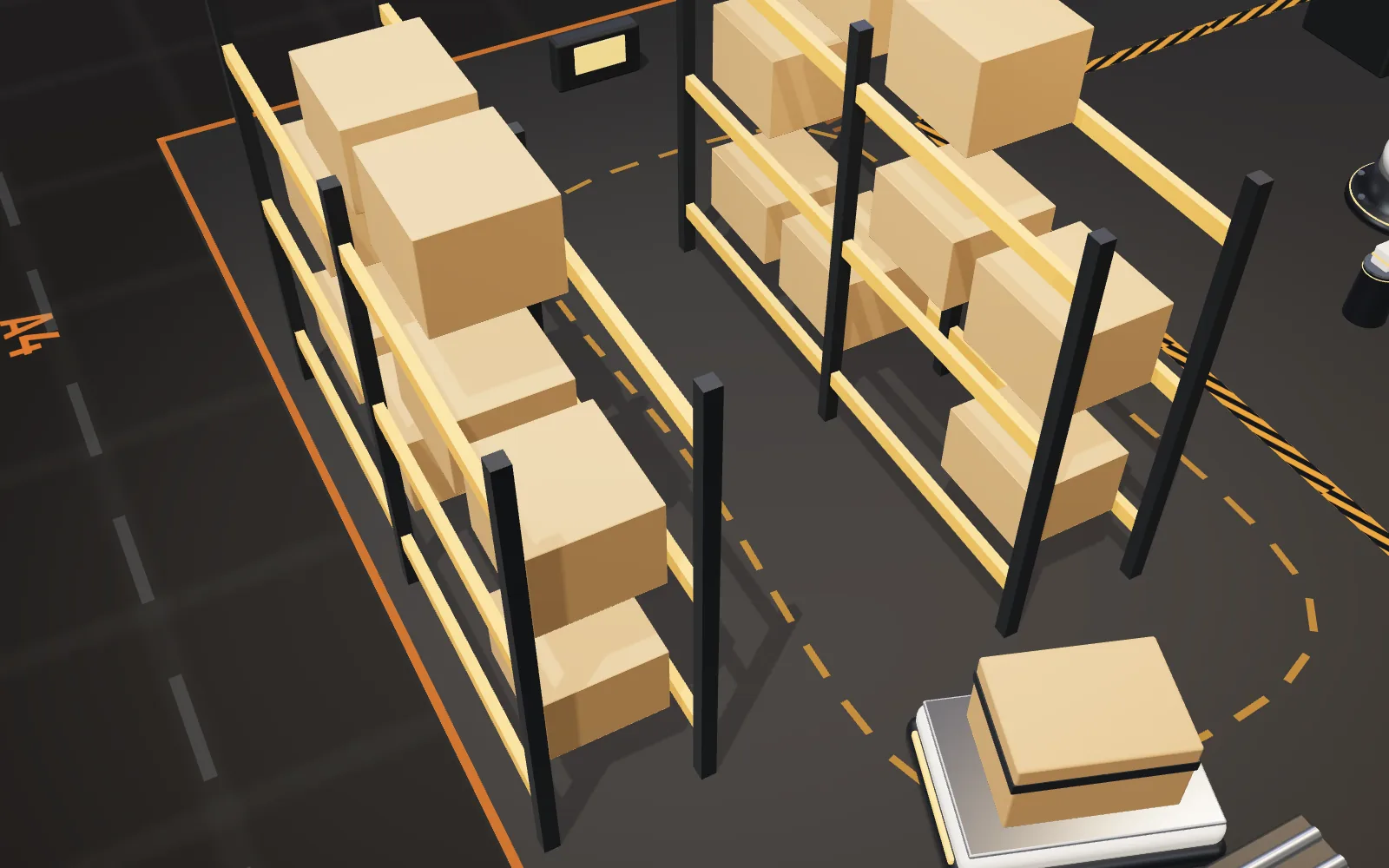
Moving material from one point to another inside factories and warehouses is often an invisible but significant workload. Autonomous mobile robots (AMRs) take over these trips and free people for more valuable work. This guide covers, in order, the questions to ask when planning the move to AMRs.
How AMRs differ from AGVs
Classic AGVs (automated guided vehicles) usually follow fixed routes defined by magnetic tape, wires or markers on the floor, and when something blocks the way they typically stop and wait. AMRs build a map of their surroundings (usually with LiDAR-based SLAM), locate themselves on that map and can plan a new route around obstacles. Changing a route becomes a software change instead of laying new tape.
Which jobs suit an AMR?
- Feeding material from the warehouse to the production line
- Taking finished goods from the end of the line to the warehouse
- Moving loads between racks and workstations
- Collecting empty crates, boxes and packaging
Repetitive, frequent trips on known routes are the best candidates. Load weight, size and how loading is done (by hand, by conveyor, with a lifting module) determine the robot; the 600 kg payload AMR, for example, is designed for moving racks and carts.
What your site needs
- Floor: flat, clean and solid; measure thresholds, ramps and slopes in advance.
- Wireless network: reliable Wi-Fi coverage across the whole working area.
- Doors and lifts: plan the integration if robots will use automatic doors or lifts.
- Charging point: easy to reach and out of the way of traffic.
- Traffic: mark walkways, forklift routes and narrow passages on the map.
Safety
AMRs work with safety fields that grow and shrink with their speed: when they detect a person or obstacle ahead, they slow down first and stop if needed. Standards such as ISO 3691-4 for driverless industrial trucks apply, but every site still needs a risk assessment, defined speed zones and a briefing for employees on how to work alongside the robots.
How many robots do you need?
A simple capacity estimate starts with the time per task:
Task time = loading + trip out + unloading + return + waiting
Tasks per robot per hour = 60 ÷ task time (minutes)
Hypothetical example: the route between warehouse and line is 120 metres. Assume the average speed in mixed traffic stays well below the robot's maximum, at around 1 metre per second, so each way takes two minutes. With one minute each for loading, unloading and waiting, a task takes about 7 minutes and one robot completes 8 tasks an hour. If you need 20 trips an hour, that is at least 3 robots; planning 4, with one spare for charging and peak hours, is sensible.
Opportunity charging, where robots top up during short waits between tasks, has a big effect on the real capacity of the fleet, so plan the charging strategy from the start.
Fleet management and integration
With more than one robot you need fleet software that assigns tasks, manages traffic and reports status. Tasks can come from a call button, a tablet or directly from an ERP or warehouse management system (WMS). Choose the level of integration to suit the need: for a small pilot, call buttons may be enough.
Start with a small pilot
- Choose one well-defined route.
- Measure today's situation first: daily trips, waiting times, labour spent.
- During the pilot, track the number of tasks, average task time, interventions and user feedback.
- Scale routes and robot numbers based on the results.
To assess together whether your site is ready for AMRs, request a survey or describe your needs in the configurator.
This guide is for general information. The example calculations are hypothetical; every site needs its own survey and risk assessment.