Home and garden robots quietly take over jobs that come round every week. Every home, garden and pool is different, though, and a few key criteria are all you need to choose the right robot.
Robot vacuum
Navigation
Robot vacuums with LiDAR navigation map the home with a laser, also work in the dark and clean rooms in tidy lanes. Camera-based systems can work well too, but they are more affected by lighting. Mapping lets you pick rooms in the app and set no-go zones.
Suction and brushes
Suction is given in pascals (Pa); in homes with carpets and pet hair, strong suction makes a difference. Cleaning performance is not just about this number, though: brush design, airflow and the filter matter too. Brushes that resist hair tangling reduce maintenance.
Mopping and docking station
Mopping picks up everyday dust and light marks on hard floors; models with carpet detection lift the mop or skip carpeted areas. A self-emptying dock lets you go for weeks without emptying the dust bin.
Check for your home
- Threshold heights and clearance under furniture
- Area to clean (m²) and runtime on one charge
- Noise level (dB), especially if it will run at night
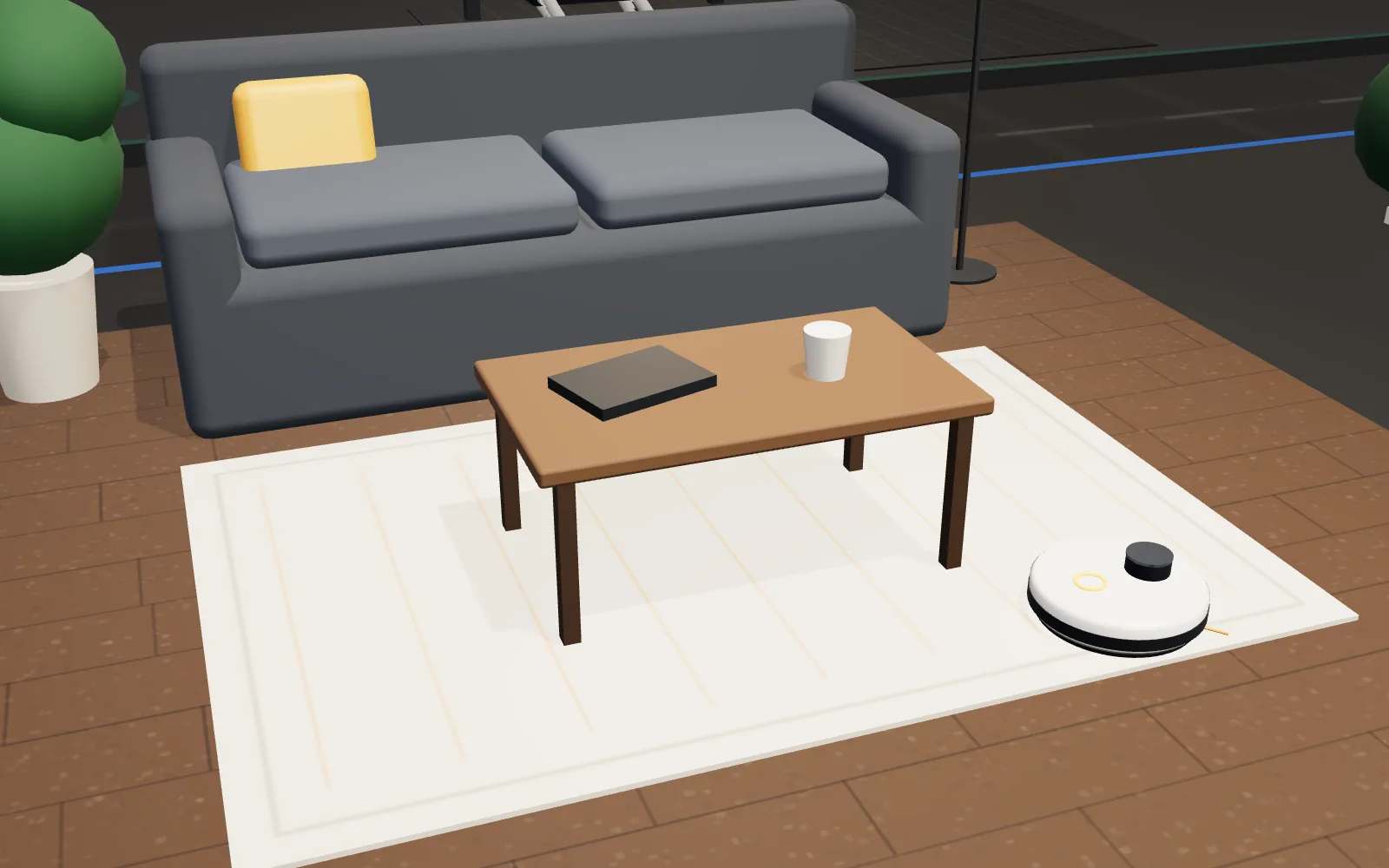
Example: robot vacuum with LiDAR mapping.
Robot lawn mower
Boundary wire or RTK?
Classic models work with a boundary wire laid around the edge of the lawn. Models using RTK-GNSS need no wire; virtual boundaries are drawn in the app. RTK needs a clear view of the sky: the signal can weaken under dense tree cover or next to tall walls, so take the layout of your garden into account.
Area and slope
The maximum lawn area (m²) and the slope (%) the mower can climb, as stated by the manufacturer, should match your garden. If you have narrow passages or several lawn zones, check how the mower moves between them.
Safety
Robot mowers have sensors that stop the blades when the mower is lifted or tipped over. Even so, it is a good habit to keep children and pets off the lawn while the robot is working and to limit night-time mowing.
Example: robot lawn mower with RTK navigation.
Pool robot
- Cleaning area: floor only, or walls and waterline too?
- Pool length: the robot's recommended pool length and runtime should cover your pool.
- Filter: the lower the micron (µm) rating, the finer the dirt it traps; the filter should be easy to clean.
- Corded or cordless? Cordless models are convenient and their runtime depends on the battery; corded models can run longer but need cable management.
- Weight: you will be lifting the robot out of the pool, so check its weight and handle.
Example: cordless pool robot.
Advice for all three
- Maintenance: availability and price of consumables such as filters, brushes and blades decide the long-term cost.
- Software: apps and mapping features improve over time; keep the firmware up to date.
- Privacy: on devices that use cameras and map data, review the app's privacy settings and use a strong Wi-Fi password.
- Service: make sure the seller can provide setup, a usage briefing and after-sales service.
Not sure which robot suits your home or garden? Write to us and we will look at your space together.
This guide is for general information. Features vary by model; check the specifications on the product page and the user manual before you buy.